Who I am
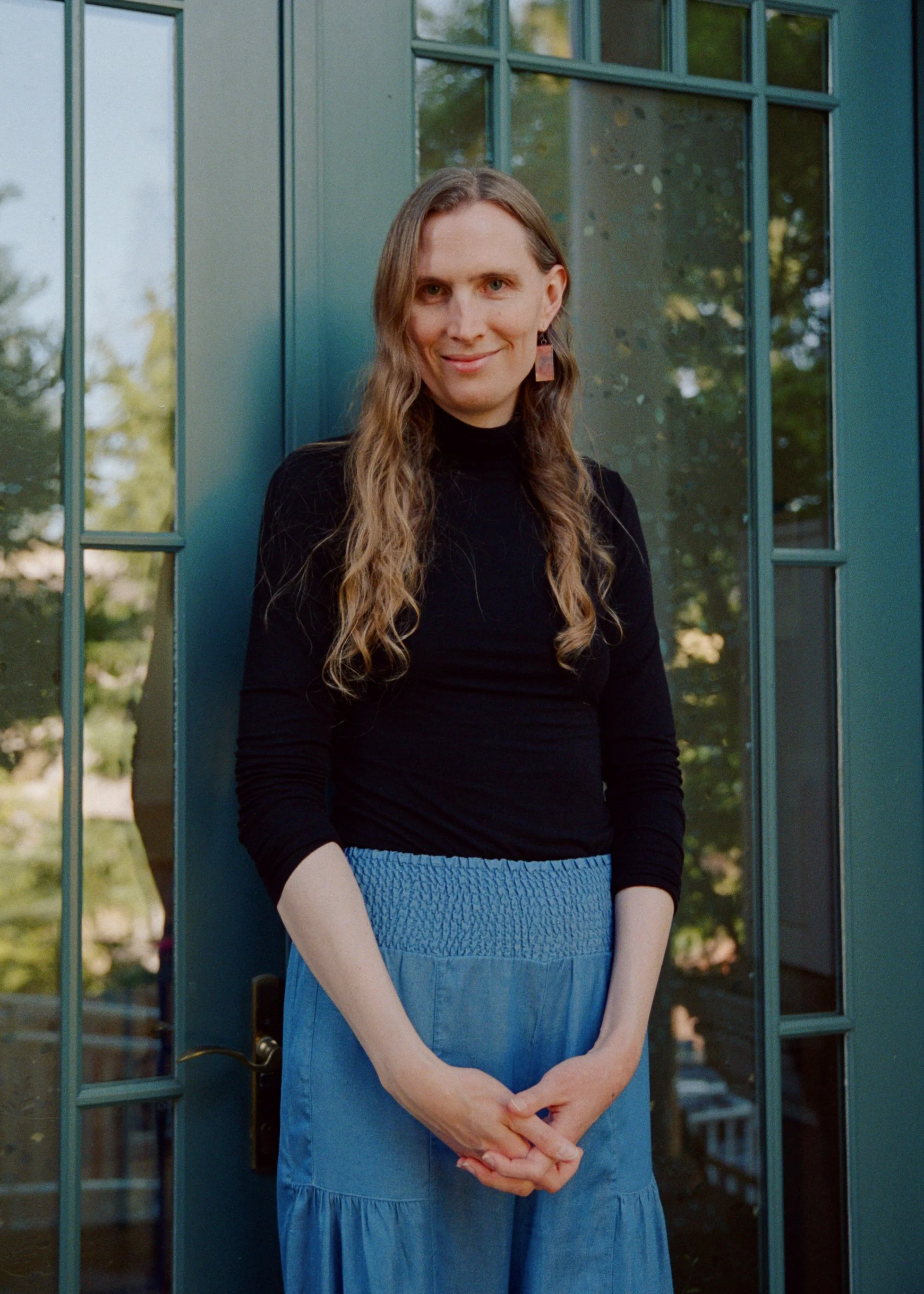
I’m transfeminine, white, disabled (autoimmune disorder and chronic pain), queer, and neurodivergent (high masking AuDHD). I was born in 1986 and have had a long, rich journey to arrive at myself. I’ve joyfully been a relationship anarchist since 2014.
Cuddling and community building have been important parts of my life since 2015, ever since the first cuddle party I had the pleasure to attend. It helped me come out of my shell and feel communally cared for, seen, connected. Ever since then, I’ve been called to enable that experience with and for others.
On a deeper, personal level, I come to this work as someone who has felt like an outsider for much of her life, disconnected from others and herself. I have struggled and done profound healing work with internalized ableism, internalized transmisogyny, emotional abuse recovery, and people pleasing. I know what it is to feel lonely and confused, and what a profound gift it is to reclaim the fullness of myself and my desire from underneath layers of expectations, conditioning, oppression, and pacts I made with myself to survive. I’m so proud of the liberation I’ve stepped into, and I know too that liberation is always a shared project.
I also know what it is to have gendered scripts and norms pushed onto me: to absorb them without awareness, learn to resist them, then relocate and reclaim myself after these failed attempts at coercive socialization. My transfemininity and selfhood is now what it should be: a source of wisdom, power, and dignity, because I cultivated that liberation with the help of many.
Transfeminine care networks have a proud tradition of radical care. We keep each other alive, and I’m proud to say I’ve made significant differences in the lives of people in my queer and trans communities, and received that gift in turn. I wouldn’t be the provider I am without being a participant (giving and receiving) in these networks.
With these experiences within me, I come to my work with profound regard for those who want a deeper connection to themselves and others.
May our strengths and wisdom dance together.
How I practice
My presence is calm, patient, and kind. I bring warmth, tenderness, and a generous spirit to our shared space. As part of my ongoing growth and education, I’m committed to attending to my internalized whiteness, ableism, ageism, sexism, and classism.
In my work, I help your body and psyche do what they innately want to do: cherish yourself using radical dignity.
Dignity is a core inner resource: intimately connected to agency, courage, and self knowledge. When any of these are scarce, we regulate, mask, compromise ourselves, even bury parts of ourselves to secure safety. Radical tenderness and acceptance are antidotes to these compromises.
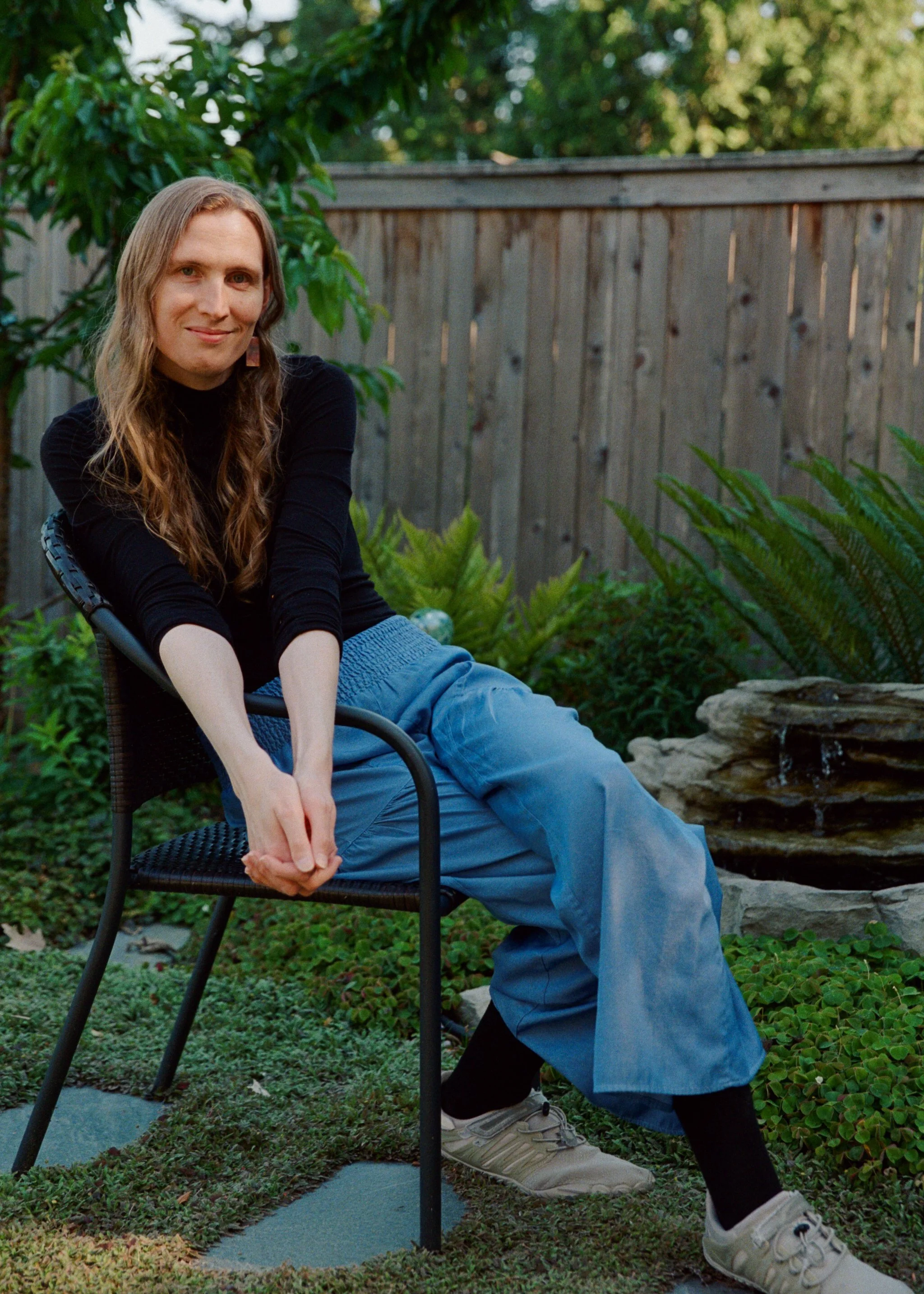
Living within the stream of so many overlapping oppressive systems shapes us in these profound ways. We’re often molded by dynamics we don’t fully understand, and they’ll script our lives if we allow them to. We experience essential parts of ourselves being truncated, stifled, or buried long before we know ourselves or claim the potential to make different choices.
Because of this, much of the work I seek to do with clients is about unburial: unearthing and reclaiming our instincts, boundaries, and exiled aspects of ourselves.
Foundations of my Training
2025
Foundations: SPC Professional Context, Andrew Heartman (2025)
The Nervous System and the Body in SPT, Linda Thai (2025)
Cultivating Safety in the Surrogate/Client Relationship, Brian Gibney (2025)
Like a Pro: The Wheel of Consent for Professionals, Carmen Leilani and Marcia Baczynski (2025)
Purity Culture and Religious Trauma, Jess DeVries (2025)
Collaborating with Clinicians, Lou Hanson (2025)
Clarity, Context and Consent: Facilitating Deeper Connection for Neurodivergent Clients, Carmen de Jesus (2025)
A Gendered Touch: Working with Gender Diverse/Trans, Non-Binary, and Intersex Clients, Jules Purnell (2025)
Embodied Asexuality and Aromanticism, Aubri Lancaster (2025)
Sexual Health, Justice, and Disability, Ligia Andrade Zuniga (2025)
Mitigating Risk, Understanding Harm, Katherine Yeagel (2025)
Case Studies: A Clinician’s Perspective, Leonore Tija (2025)
A New Kind of Intimacy: Supporting Clients Through the Impact of Racism, Akilah Riley-Richardson (2025)
Practicing relationship anarchist since 2014
Volunteered in leadership and facilitation roles for a relationship anarchy group of 300+ members, as well as co-running restorative justice processes on their ethics committee for complex interpersonal and community justice issues (2016-2019)
Regularly hosted community spaces where people in queer and polyam communities could explore consent and connection (2016 to present)
Actively supported several people in my community on their journeys to re-evaluate, exit, and recover from abusive relationships
Actively supported several people in my community on their journeys to come out or re-examine their gender